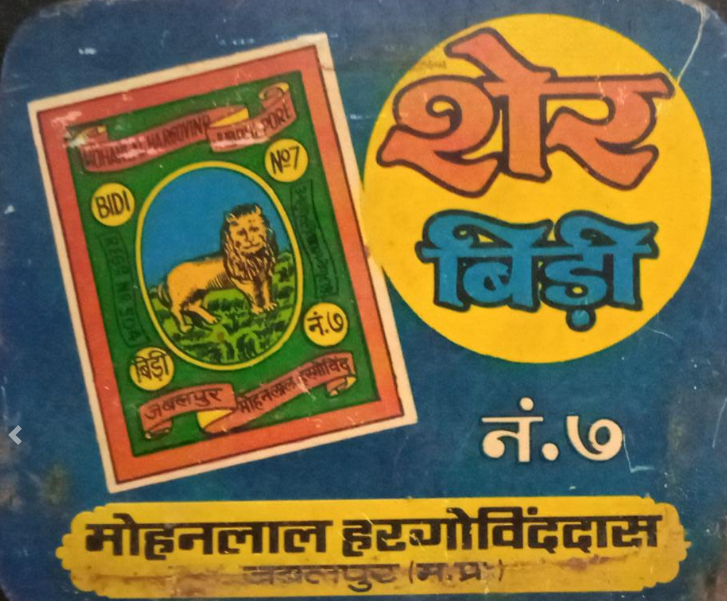
"Sher Chaap Bidi": A Colonial India Startup
In 1899, cousins Mohanlal Patel and Hargovinddas traveled to Jubbulpore and identified a lucrative opportunity to break the local monopoly on Astra leaf bidis by offering a cheaper alternative. They established a manufacturing unit and launched the brand "Sher Chaap Bidi". Their pivotal innovation was replacing Astra leaves with locally abundant Tendu leaves, which drastically lowered production costs, offered superior wrapper flexibility, and preserved the tobacco's natural taste. The business experienced explosive growth due to the expansion of railway networks, the Swadeshi and Non-Cooperation movements that boycotted British cigarettes, and massive government orders to supply rural Indian troops during both World Wars. By 1947, Sher Chaap Bidi was an industry giant. The immense wealth generated allowed Mohanlal's adopted son to establish Madhya Pradesh's first all-women college in 1954, cementing a cultural legacy that even earned a famous reference in the iconic Bollywood film Sholay.